WASP NEST BUILDING 2021
Chuck Varney

29 June 2021
After observing, removing, and dissecting the nest of a Bald-faced Hornet (a yellowjacket wasp species, Dolichovespula Maculata) in June 2019, I hoped to see another in 2020 and observe nest construction from the beginning. Nothing happened in 2020 and I forgot about wasp nests.
On 23 May 2021 my wife noticed a nest about 8 feet from where the 2019 nest had been built. As of 29 June, I think this is the story that photos I've taken of that nest and its builders tells:
The nest is that of Aerial Yellowjacket wasps, Dolichovespula arenaria (the same genus as the 2019 Bald-faced Hornet). By June 6th the nest had been invaded by another species of the same genus: the Parasitic Yellowjacket, Dolichovespula adulterina (aka Dolichovespula arctica). This species has no worker class, so they invade a host species (D. Arenaria is one of the two they use) after the host queen has produced workers. They eventually kill the host queen.
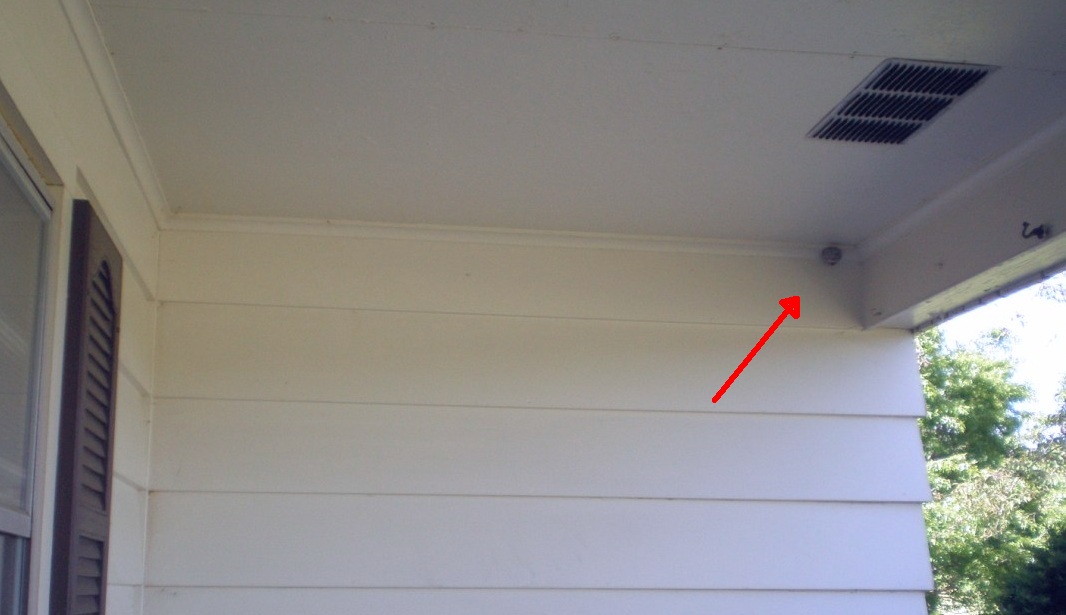
Photo 1. 23 May 2021 - Noticed wasp nest

Photo 2. 23 May - The day the nest was first noticed. A few days later I realized
the photo shows a yellowjacket in the nest

Photo 3. 26 May - Construction of an added nest layer is nearly complete

Photo 4. 3 June - First additional layer is complete, work has begun on the second

Photo 5. 5 June - Second layer is almost complete

Photo 6. 6 June - Second layer construction continues. This is not the yellowjacket
shown in the earlier photos. It appears to be a Dolichovespula adulterina,
a parasitic yellowjacket species

Photo 7. 7 June - Second layer is complete, a third layer is under construction

Photo 8. 8 June - Third layer construction continues. Here we have
D. arenaria and D. adulterina together

Photo 9. 9 June - Third layer work continues with D. aldulterina

Photo 10. 10 June - Third layer almost complete

Photo 11. 11 June - Third layer complete. After this, five days go by with
no nest building activity

Photo 12. 17 June - Construction resumes. Fourth layer under way

Photo 13. 18 June - Fourth layer nearing completion

Photo 14. 19 June - Fourth layer complete, fifth layer under construction
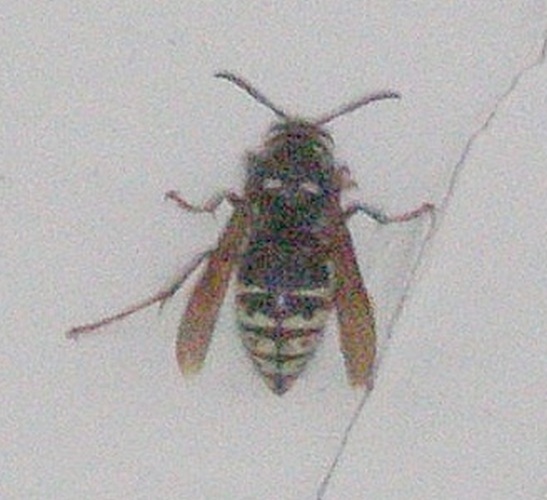
Photo 15. 19 June - D. adulterina overhead a few feet from the front door

Photo 16. 20 June - Fifth layer complete, sixth layer construction has begun
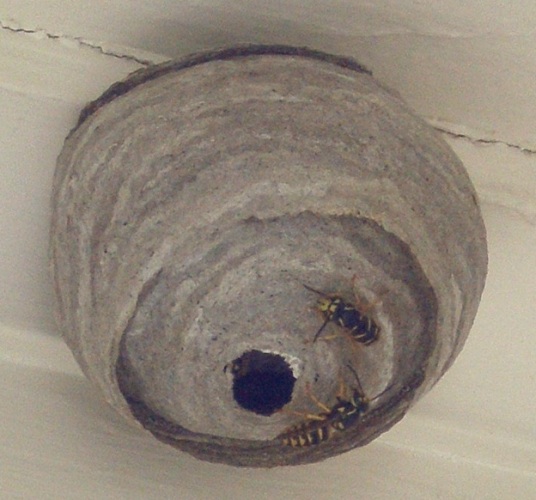
Photo 17. 21 June - Sixth layer nears completion
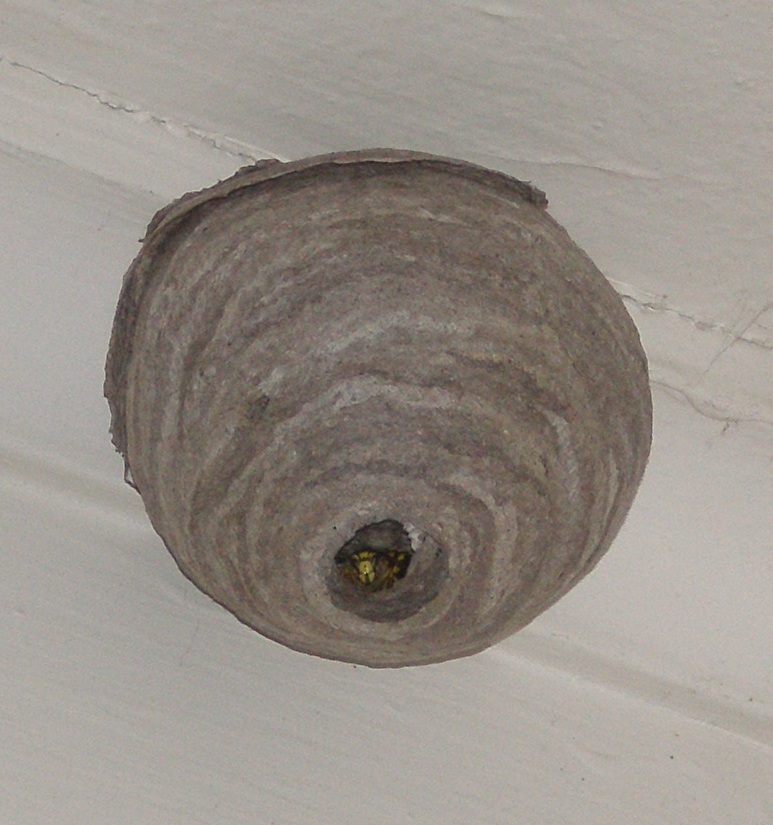
Photo 18. 22 June - Sixth layer complete. One member of the crew is visible in the opening
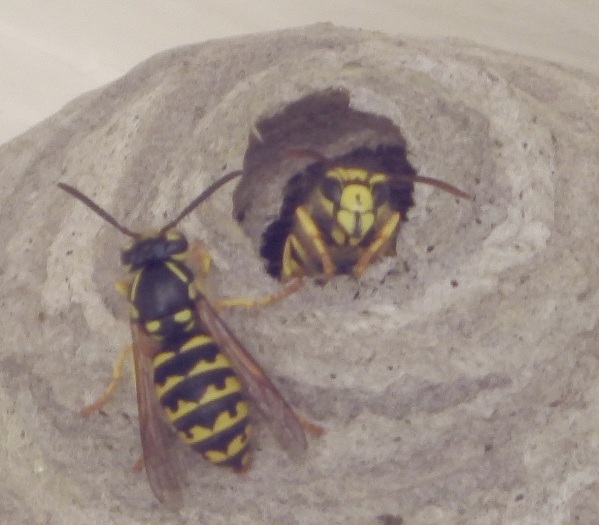
Photo 19. 24 June - photo (inverted) taken with Pentax X-5
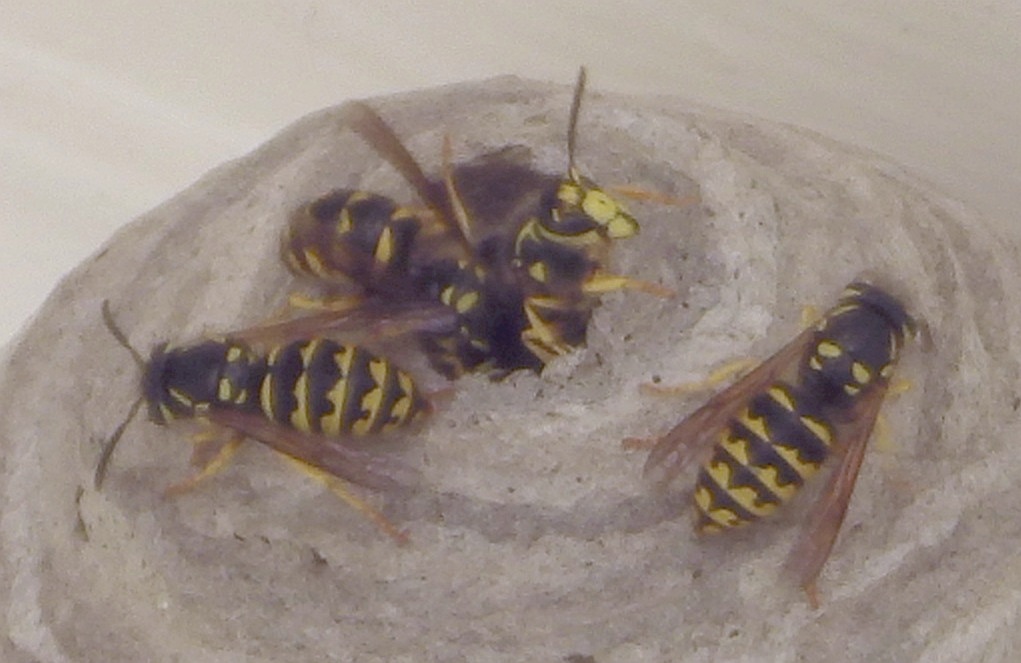
Photo 20. 24 June - Pentax X-5 photo (inverted)
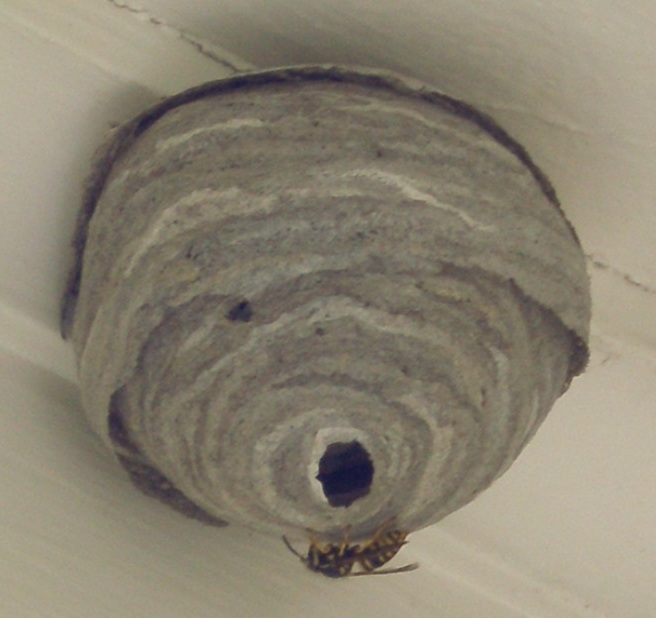
Photo 21. 26 June - layer 7 still incomplete
In the afternoon of 26 June I noticed a dead wasp on the porch floor below the nest.
The next few photos are my attempt at getting close-up photographs of it.
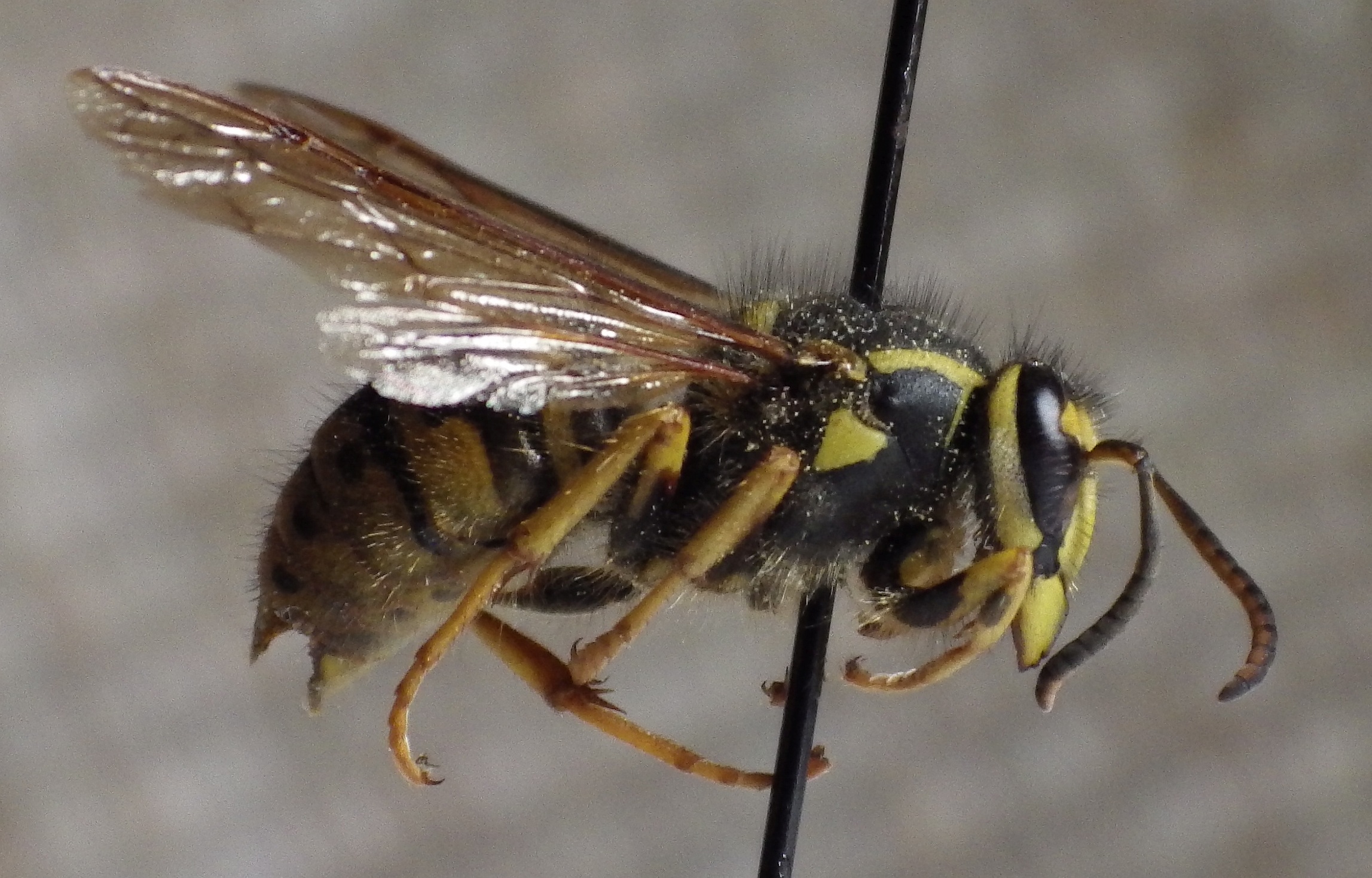
Photo 22. Wasp found dead 26 June, photo 1 of 3.
This may be the D. arenaria queen. It's about 19 mm long
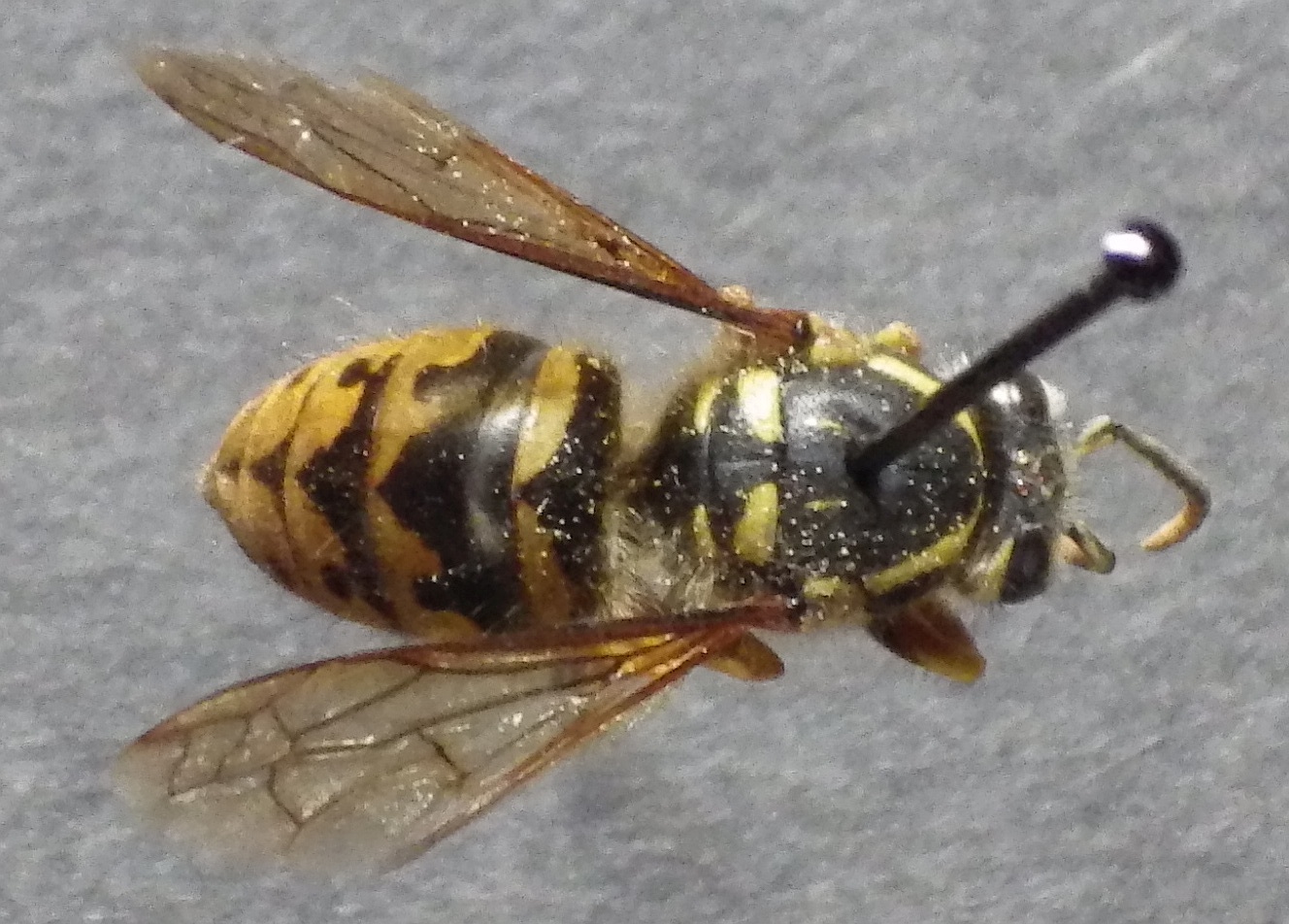
Photo 23. Wasp found dead 26 June, photo 2 of 3
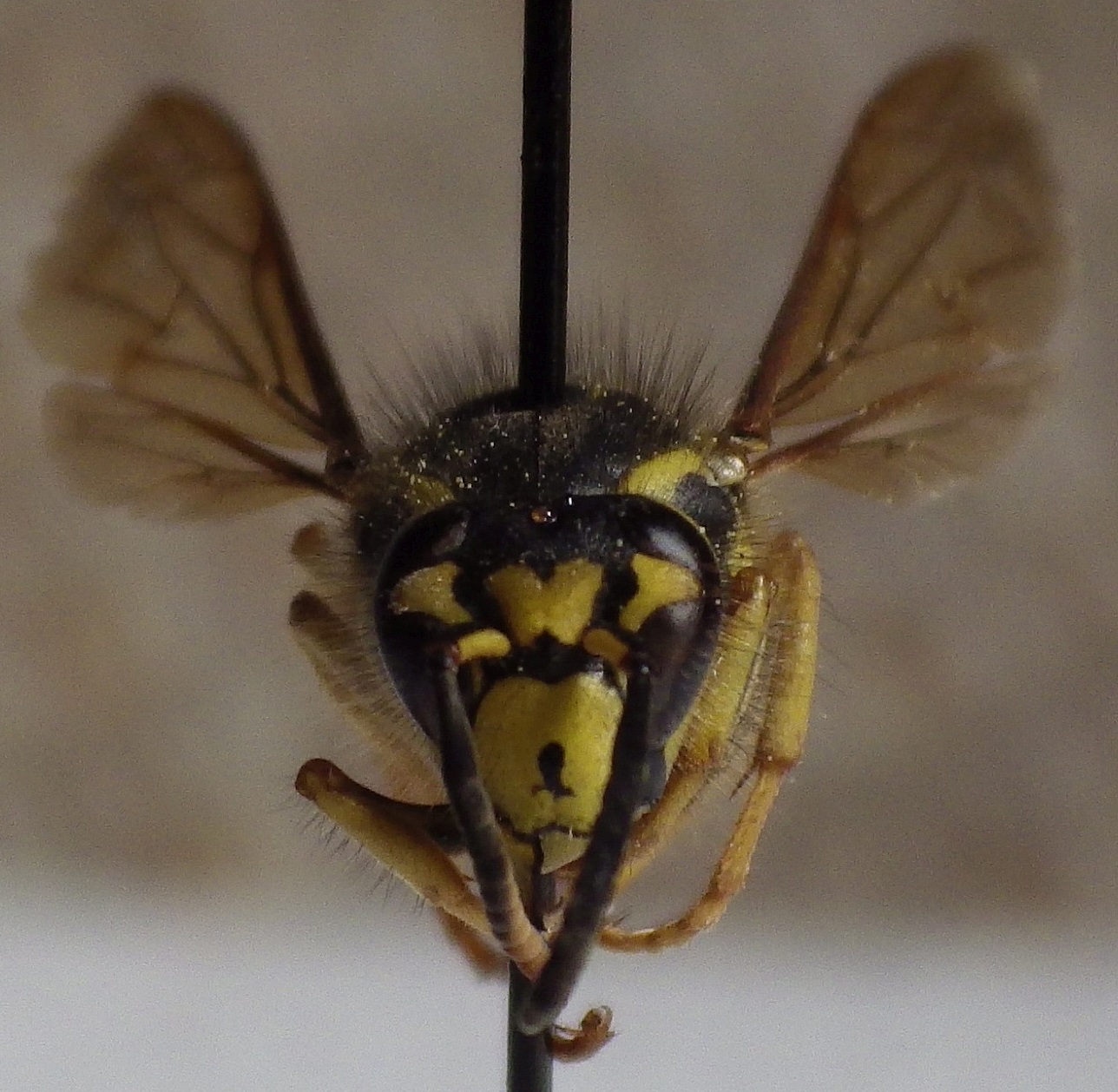
Photo 24. Wasp found dead 26 June, photo 3 of 3
On 28 June two more dead wasps were found below the nest. Both were D. adulterina.
Four photos of the larger of the two (about 21 mm long) follow.
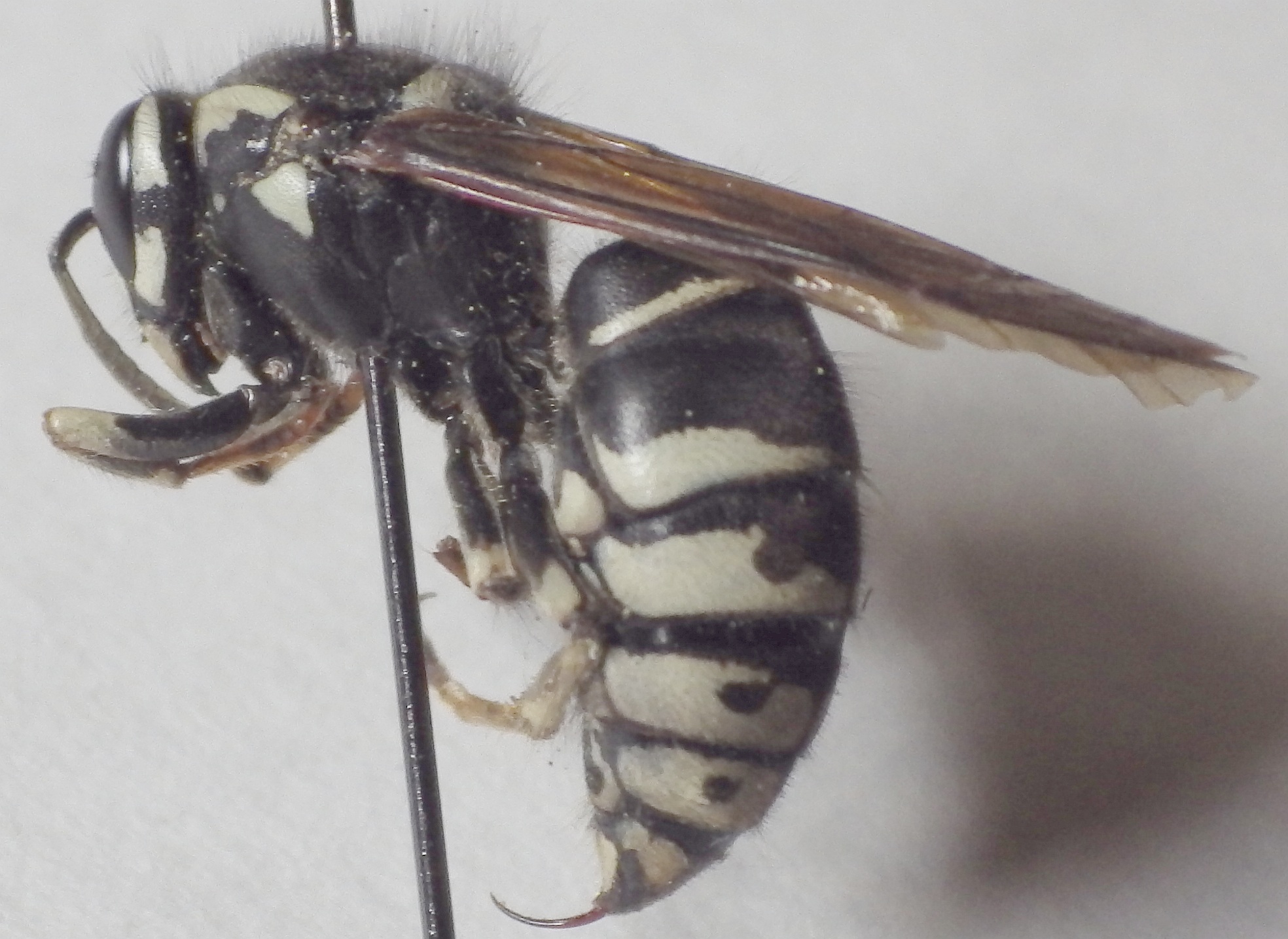
Photo 25. Wasp found dead 28 June, photo 1 of 4
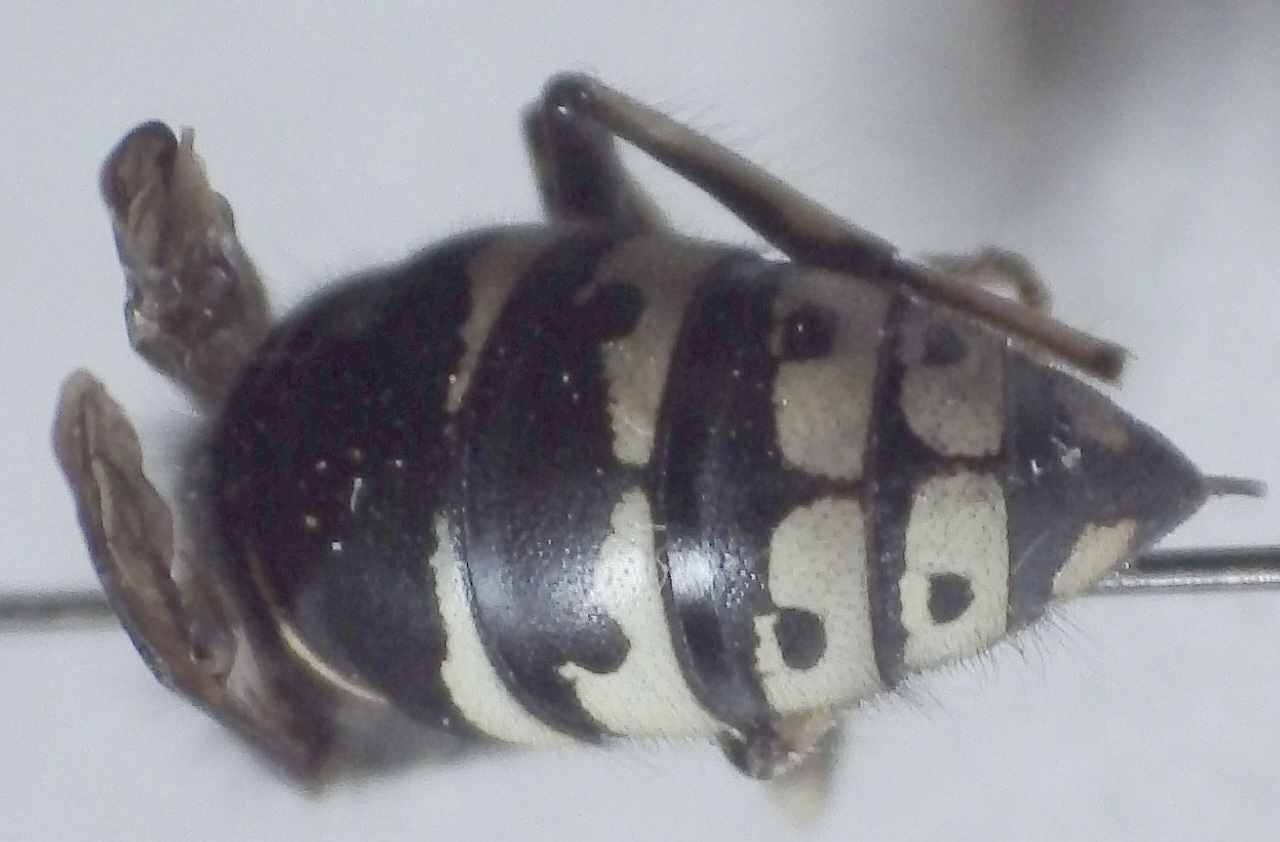
Photo 26. Wasp found dead 28 June, photo 2 of 4
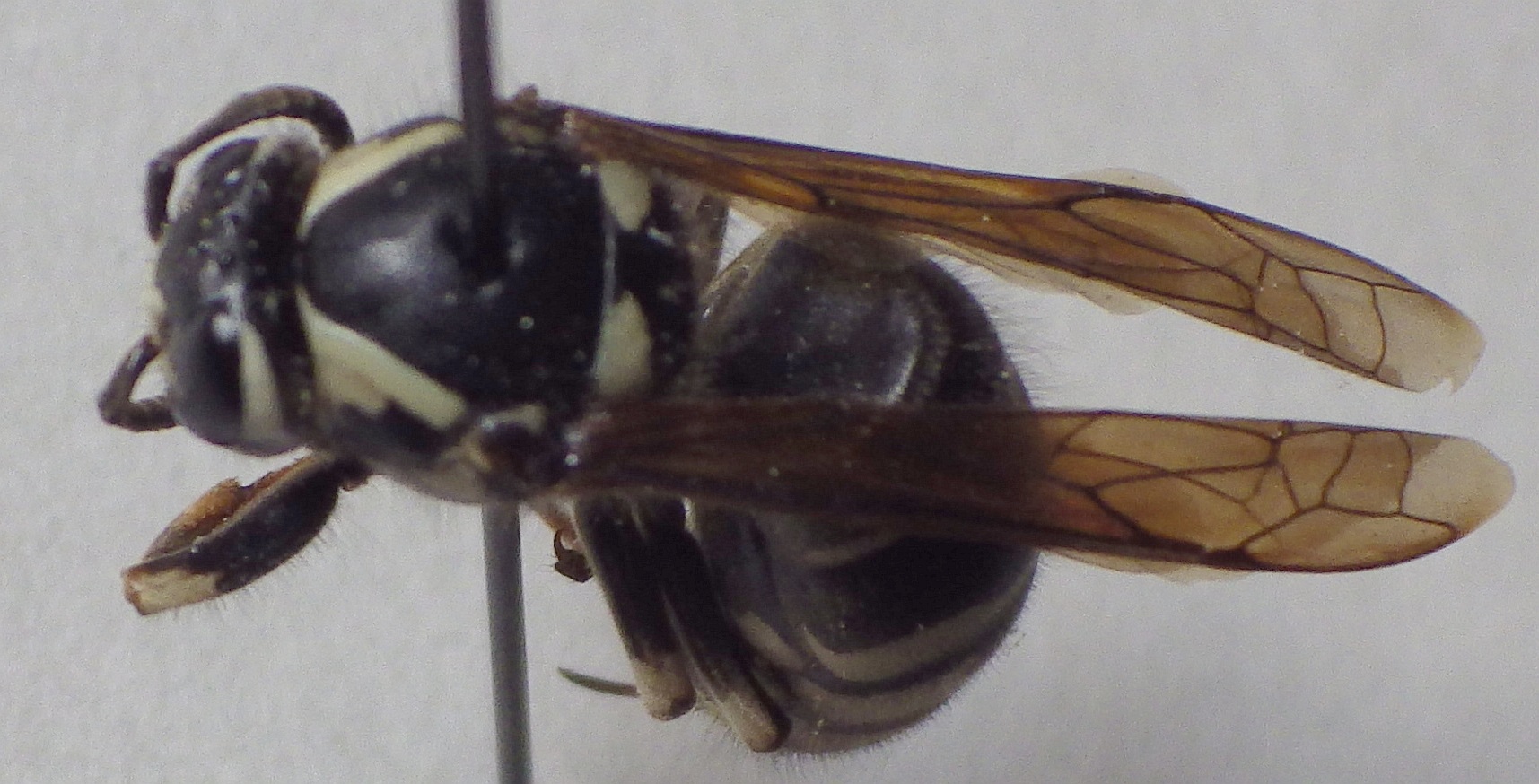
Photo 27. Wasp found dead 28 June, photo 3 of 4
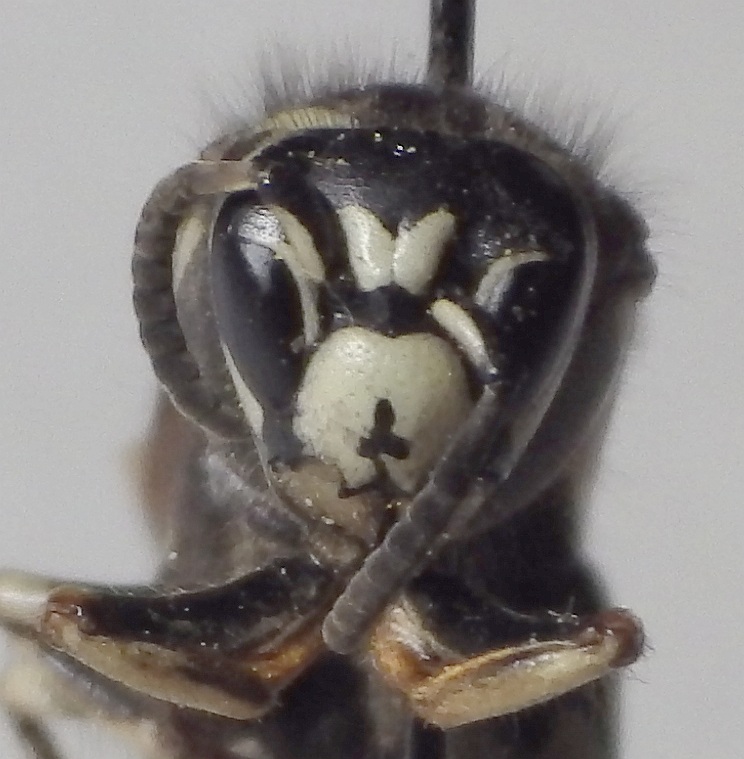
Photo 28. Wasp found dead 28 June, photo 4 of 4
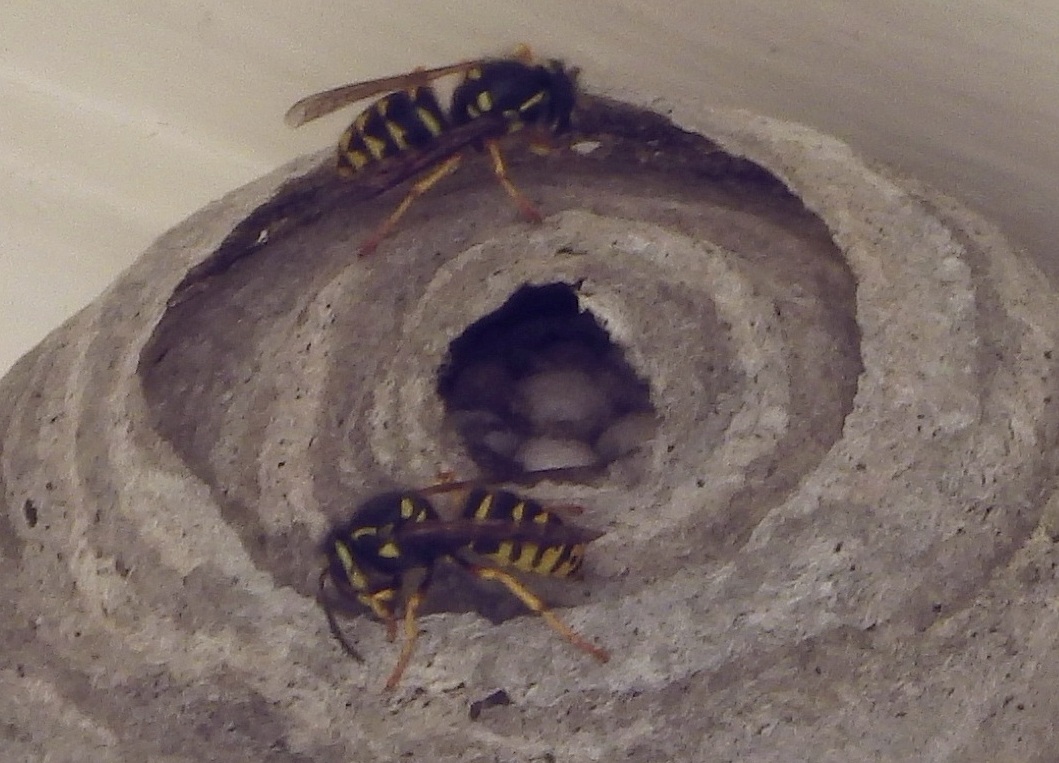
Photo 29. 29 June - wasps at work on layer 7 (photo inverted). Portions of
several larvae cells are visible through the nest opening
On 29 June a fourth dead wasp was found. This one was a D. arenaria
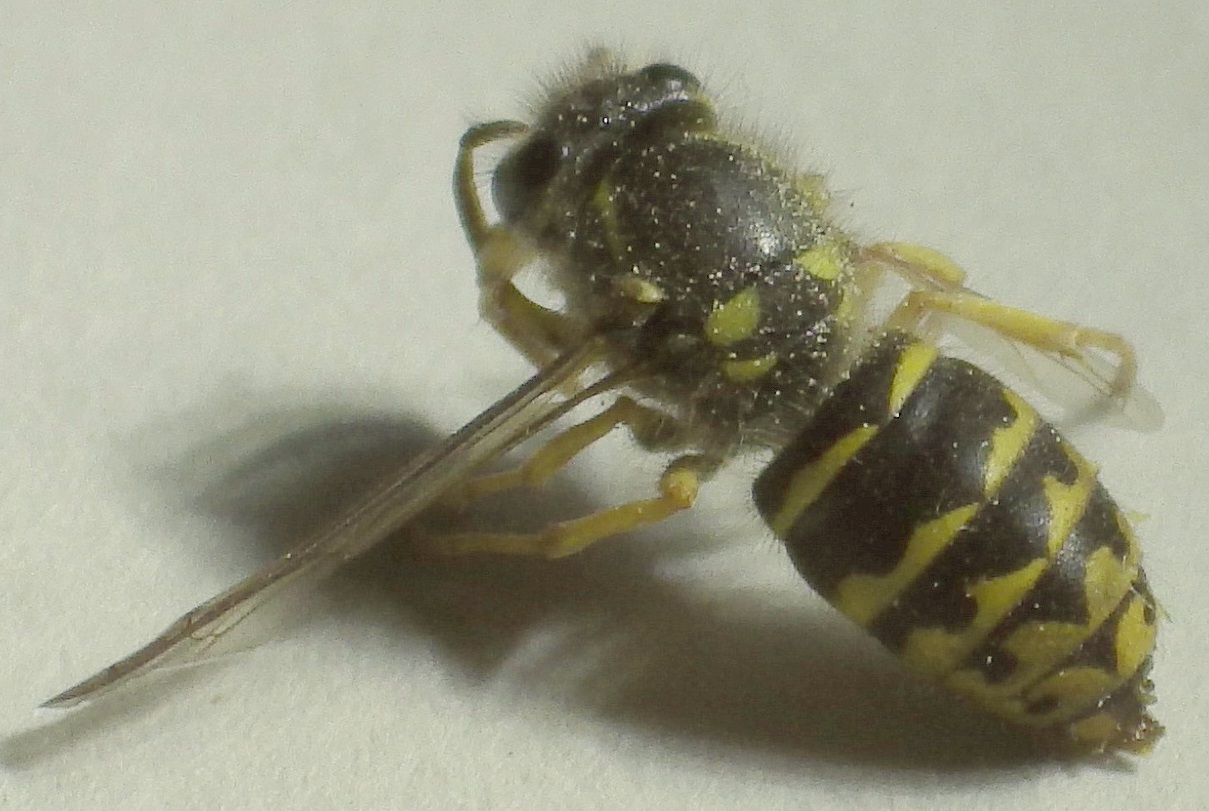
Photo 30. Wasp found dead 29 June about 8 feet from the nest
The photo below is of the four dead wasps found between June 26th and 29th:
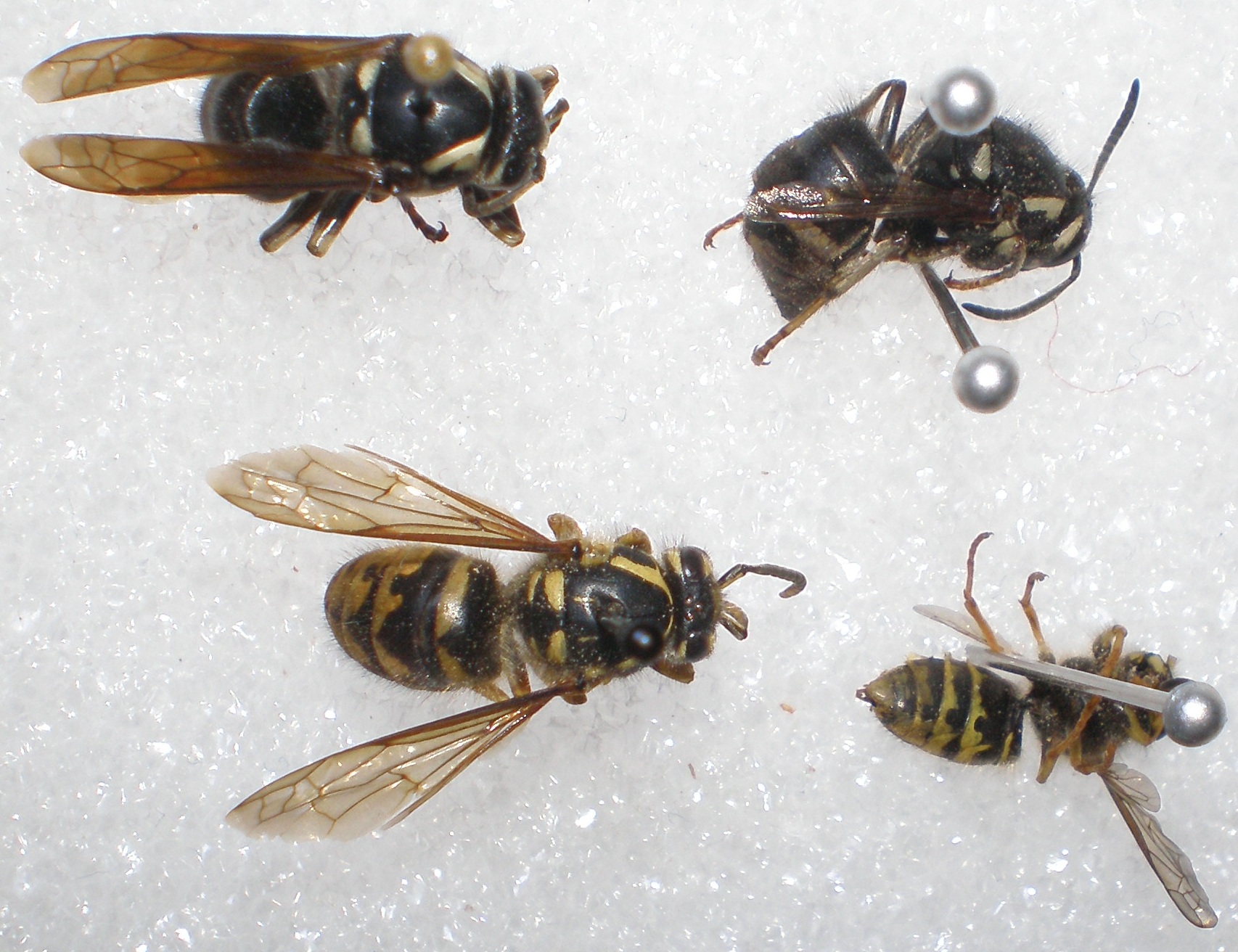
Photo 31. The four dead wasps found as of 29 June. Clockwise from upper left: D. adulterina (~21 mm long);
D. adulterina (~ 20 mm long); D. arenaria (~13 mm long); and D. arenaria (~19 mm long)
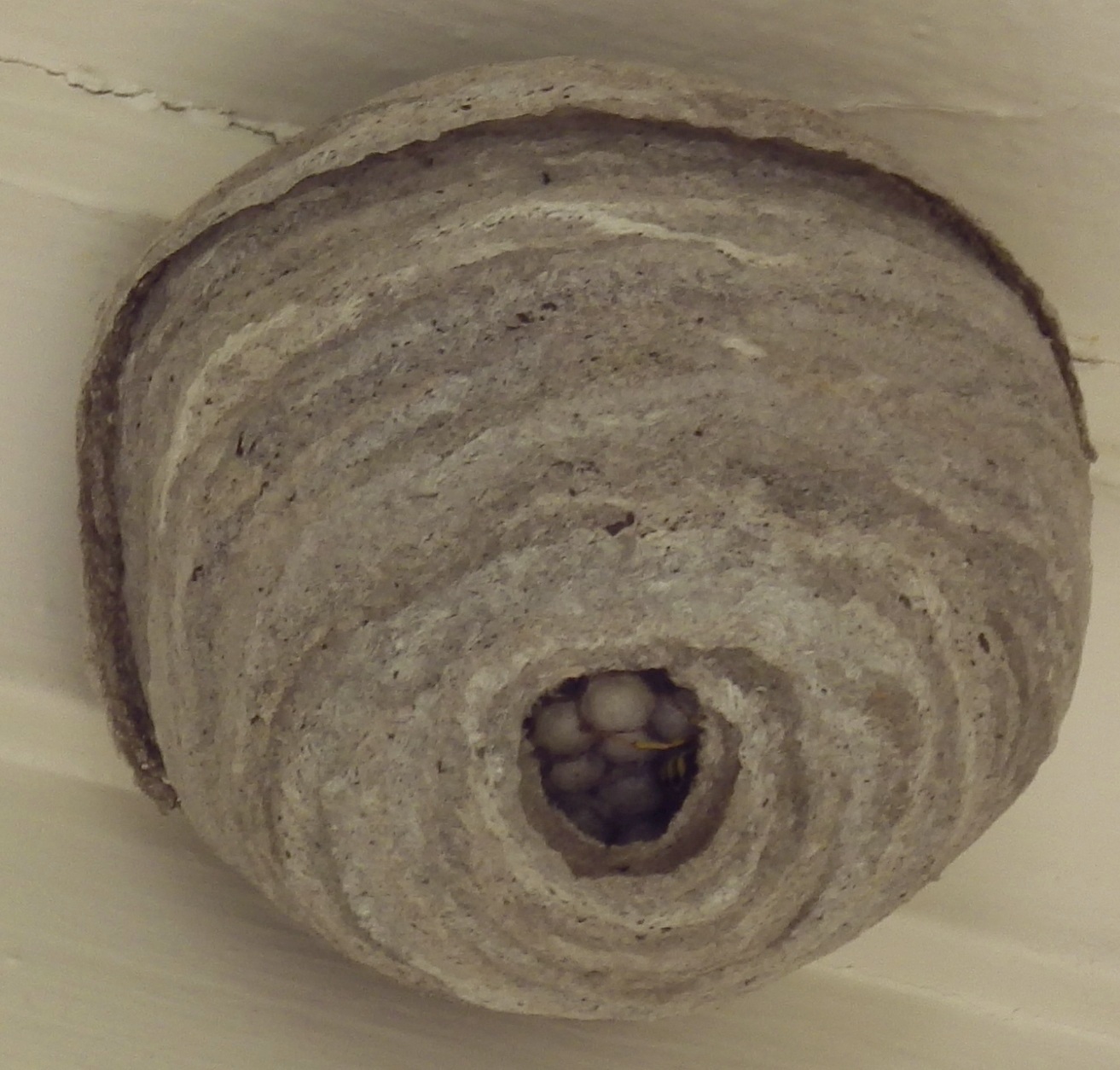
Photo 32. 30 June - The 7th layer is nearly complete. An 8th layer has
begun. Eight larvae cells are visible inside the nest
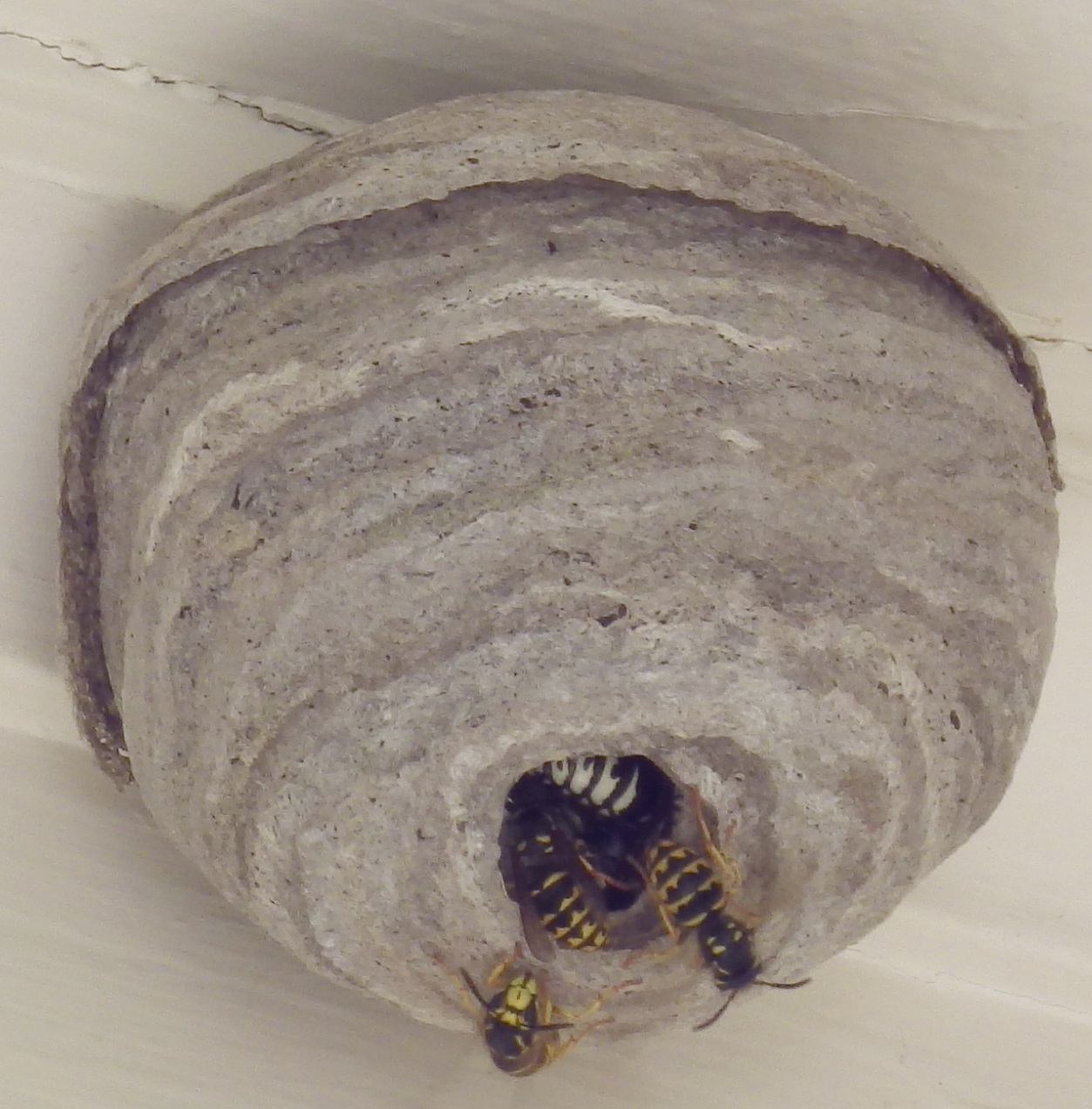
Photo 33. 30 June - Three D. arenaria at nest opening, with D. adulterina inside.
1 July 2021 - Observed much in / out activity by the D. arenaria workers.
The 8th layer is 50% complete by mid-afternoon
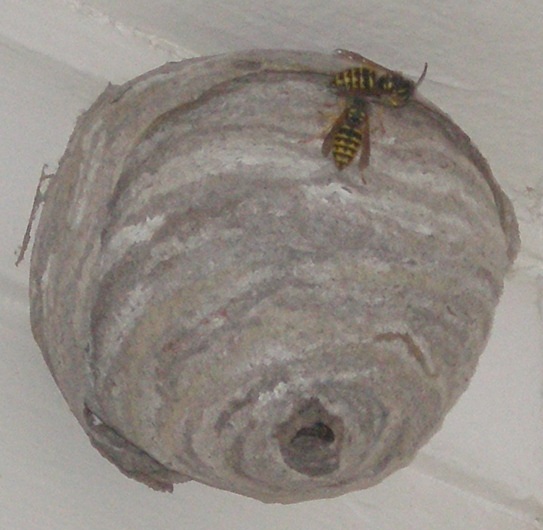
Photo 34. 4 July - At 5:30 PM the 8th layer has been completed since 10 AM, and
layer 9 is under construction