Aircraft Range Calculations
Chuck Varney

27 July 2015
Last edit: 10 March 2016
An aircraft has a
14,700 lb taxi weight, of which 6,600 lb is fuel (1,100 gal at 59°F), giving a
zero-fuel weight of 8,100 lb.
1) If there is no wind, how far away can the point of origin be so that the aircraft just reaches it as the fuel is exhausted?
2) Assume a constant 20 mi/h tailwind at all flight altitudes. How far away can the point of origin be so that the aircraft just reaches it as the fuel is exhausted?
The aircraft is propeller-driven and flown at a constant propeller
efficiency of 80%, and at a constant brake specific fuel consumption
of 0.47 lb /
hp / h. Its wing area is 458.3 sq ft. Its drag coefficient, CD, equals 0.029 + CL2/(17.62 – 1.44CL), where CL
is the lift coefficient.
U.S. Standard Atmosphere 1976 is used for
air density.
Maximum Range for Cruise-Climb Flight at Constant Minimum Drag (Maximum L/D) Speed
Figure 1. is a screen shot of a portion of a spreadsheet used to carry out range and endurance calculations for a flight at constant speed and constant minimum drag, which cruise-climbs from an initial altitude of 1,000 feet with an initial weight of 9,300 lb, 1,200 lb of which is useable fuel. The header in the image describes how the range and endurance calculations are made. The cells with a yellow highlight are input cells. The box at far right gives results for maximum still-air range, range with a 20 mi/h tail wind, and maximum endurance.
Excel's Freeze Panes option was used to show only the data corresponding to the initial weight of 9300 lb and the final weight of 8100 lb.
The bottom three rows give the results for still-air range, range with 20 mi/h wind and maximum endurance for each speed. All speeds are true air speeds (TAS) in statute miles per hour.
Figure 2 plots range versus still air speeds between 80 and 200 mi/h for initial altitudes of 1,000 ft, 3,000 ft, and 5,000 feet.
Figure 3 is as for Figure 2, but with a constant tailwind of 20 mi/h.
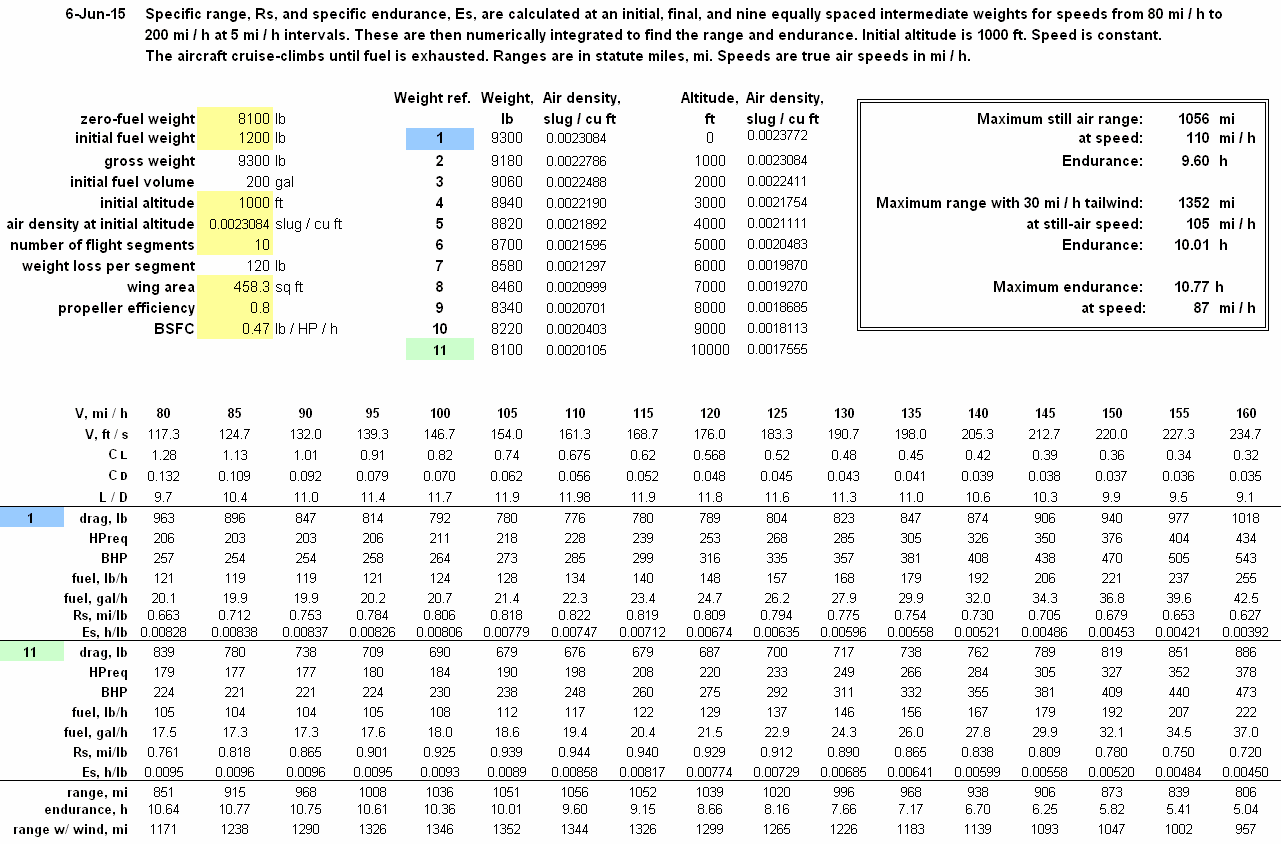

Figure 1. Screen shot of Excel spreadsheet used to make range and endurance calculations for a cruise-climb flight regime.
(Click for a larger view.)

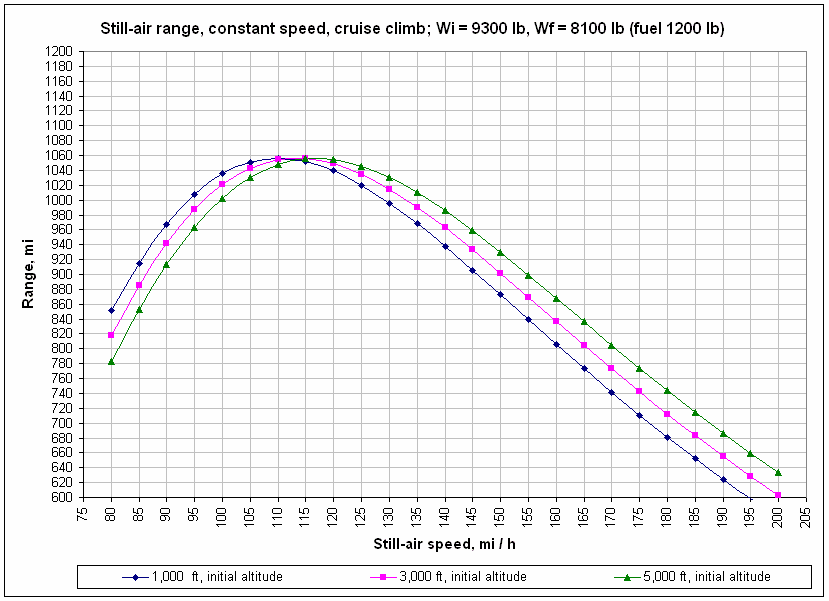
Figure 2. Range versus still-air speed for three initial altitudes, each following a constant speed, cruise-climb
regime at constant minimum drag.

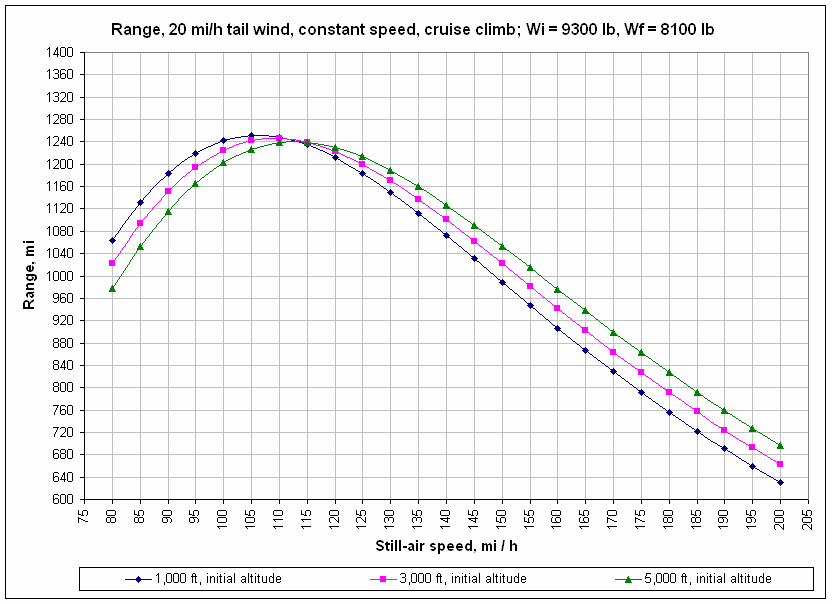
Figure 3. Range versus still-air speed for three initial altitudes with a 20 mi/h tailwind. Ground speed equals the
still-air speed plus 20 mi/h.
Maximum Range for Constant Speed, Constant Altitude, Flight
Figure 4. is a screen shot of a portion of a spreadsheet used to carry out range and endurance calculations for a flight at constant speed and an altitude of 1,000 ft. The header in the image describes how the range and endurance calculations are made. The cells with a yellow highlight are input cells. The box at far right gives results for maximum still-air range, range with a 20 mi/h tail wind, and maximum endurance.
Excel's Freeze Panes option was used to show only the data corresponding to the initial weight of 9300 lb and the final weight of 8100 lb.
The bottom three rows give the results for still-air range, range with 20 mi/h wind and maximum endurance for each speed. All speeds are true air speeds (TAS) in statute miles per hour.
Figure 5 plots range versus still air speeds between 80 and 200 mi/h for flight at altitudes of 1,000 ft, 5,000 ft, and 10,000 ft.
Figure 6 is as for Figure 2, but with a constant tailwind of 20 mi/h.
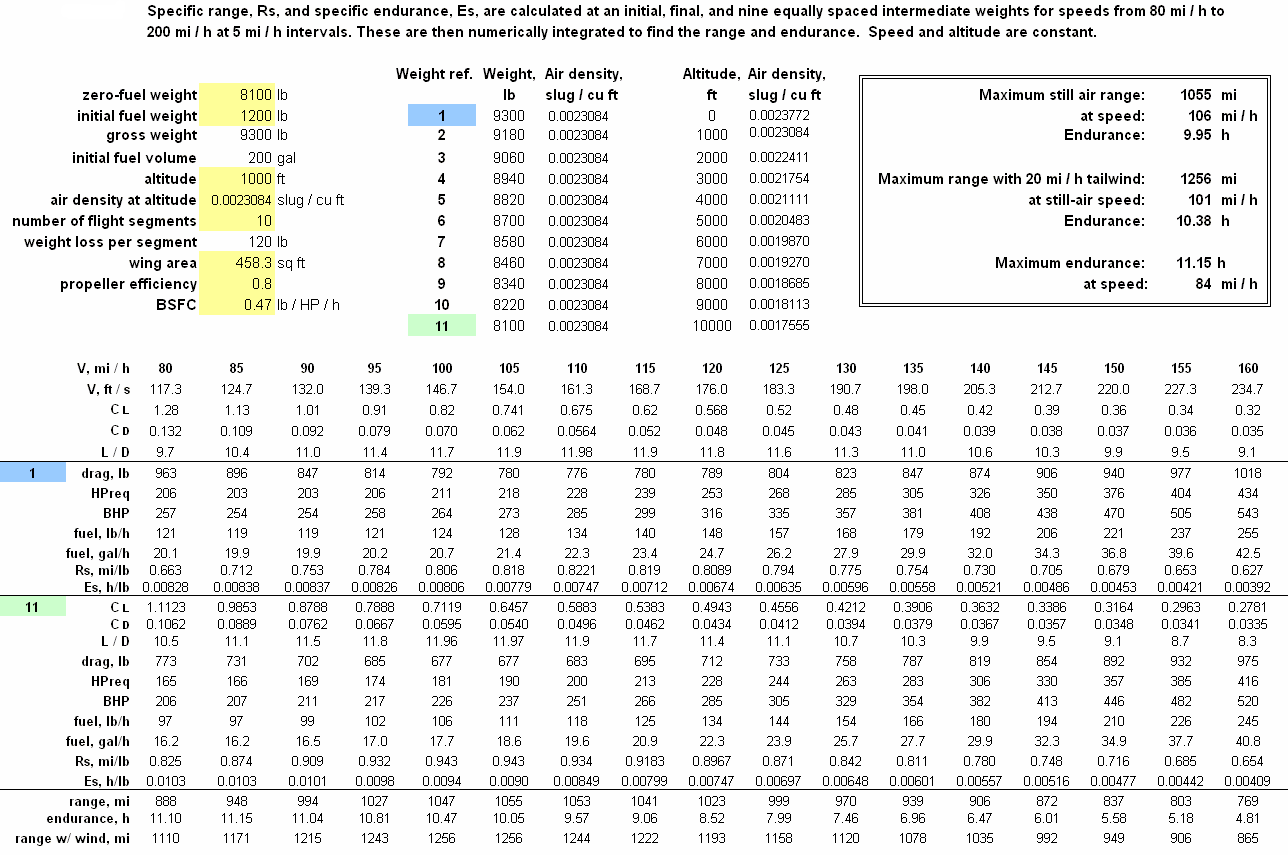
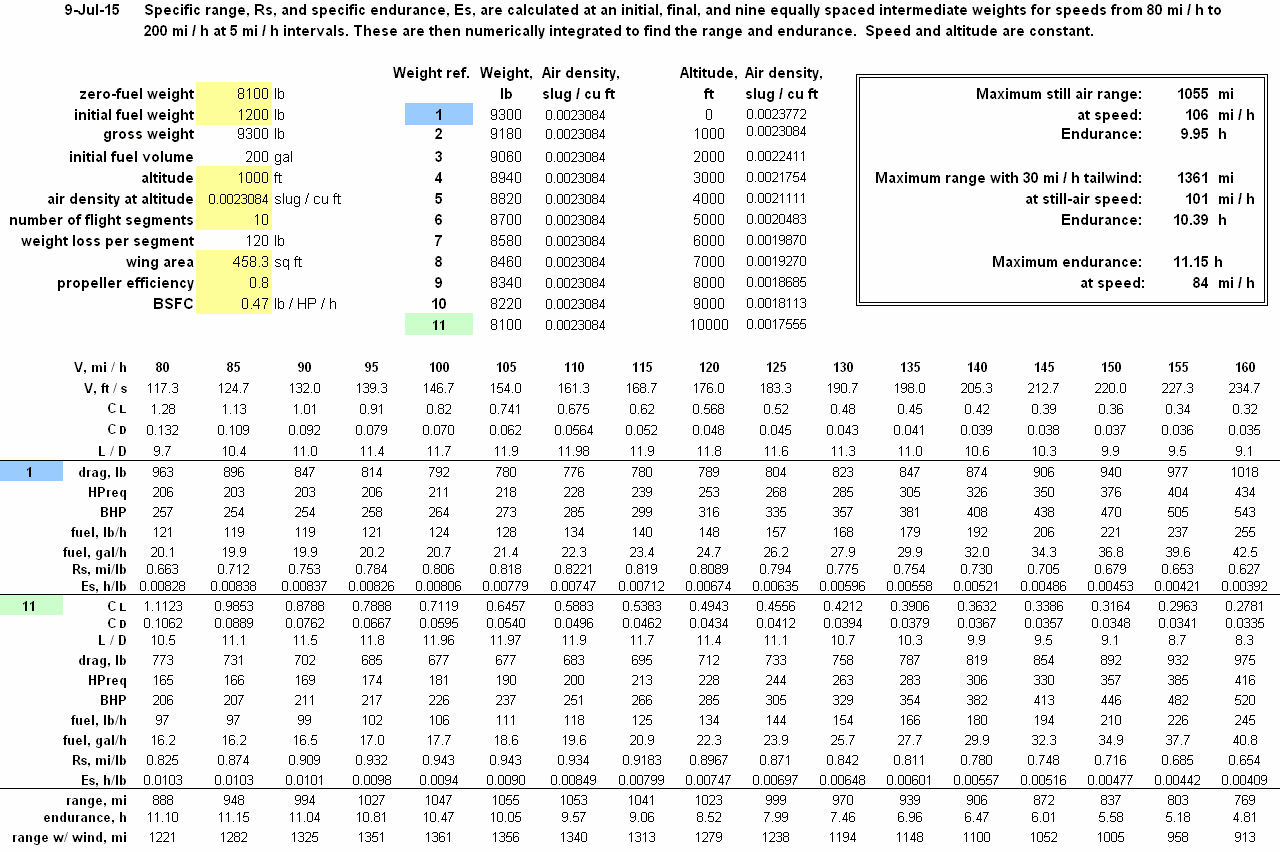
Figure 4. Screen shot of Excel spreadsheet used to make range and endurance calculations for a constant speed flight
at constant altitude. (Click for a larger view.)

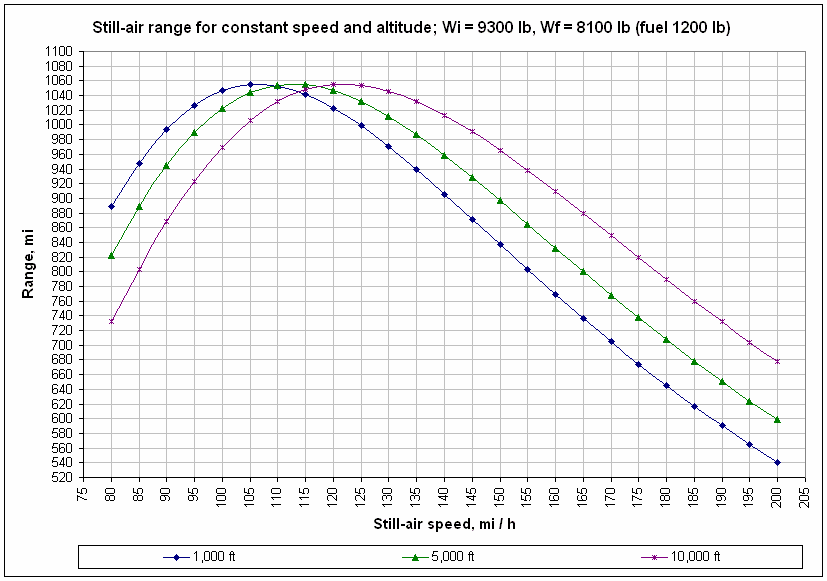
Figure 5. Range versus still-air speed for three initial altitudes, each following a constant speed, constant altitude
flight regime.

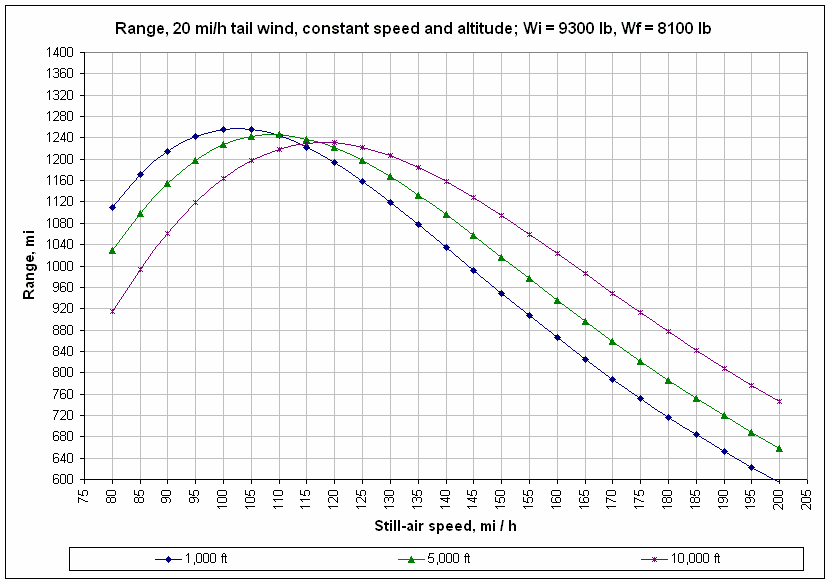
Figure 6. Range versus still-air speed for three initial altitudes with a 20 mi/h tailwind. Flight is at constant speed
and altitude for each case. Ground speed equals the still-air speed plus 20 mi/h.
Make a fr